Services
Fire Protection System
Fire Protection System Solution in Malaysia
A fire protection system is an integrated fire safety solution that combines active and passive fire protection measures to safeguard buildings, assets, and occupants during a fire emergency. These systems are designed to detect early fire indicators such as smoke, heat, or flames, activate warning signals to alert occupants, support safe evacuation, help contain fire and smoke spread, and assist with fire suppression before the situation escalates.
To ensure long-term reliability, compliance, and emergency readiness, every fire protection system should be professionally designed, installed, tested, and maintained in accordance with BOMBA requirements, UBBL 1984, and relevant Malaysian Standards.
Types of Fire Protection System
Active Fire Protection (AFP)
Active Fire Protection systems respond when a fire occurs by detecting fire signs, warning occupants, and helping to control or suppress the fire. These systems support faster emergency response and safer evacuation.
Passive Fire Protection (PFP)
Passive Fire Protection systems are built into the building design to contain fire and smoke within specific areas. They help slow fire spread, protect structural elements, and reduce overall building damage.
Learn how active and passive fire protection systems work together to protect buildings, equipment, and people.
Tailored Fire Protection Solutions for Different Buildings
Different buildings require different fire protection solutions based on property type, operating environment, and safety requirements. As a fire protection contractor in Malaysia with over 50 years of experience, Palcon provides comprehensive and customized fire protection systems for commercial, industrial, hospitality, infrastructure, and mixed-used proerties across Kuala Lumpur (KL) and Selangor, serving sectors such as government, industrial & manufacturing, and power & utilities. Each system is planned to support safer evacuation, long-term protection, and compliance readiness.
Key Component of Fire Protection System Malaysia
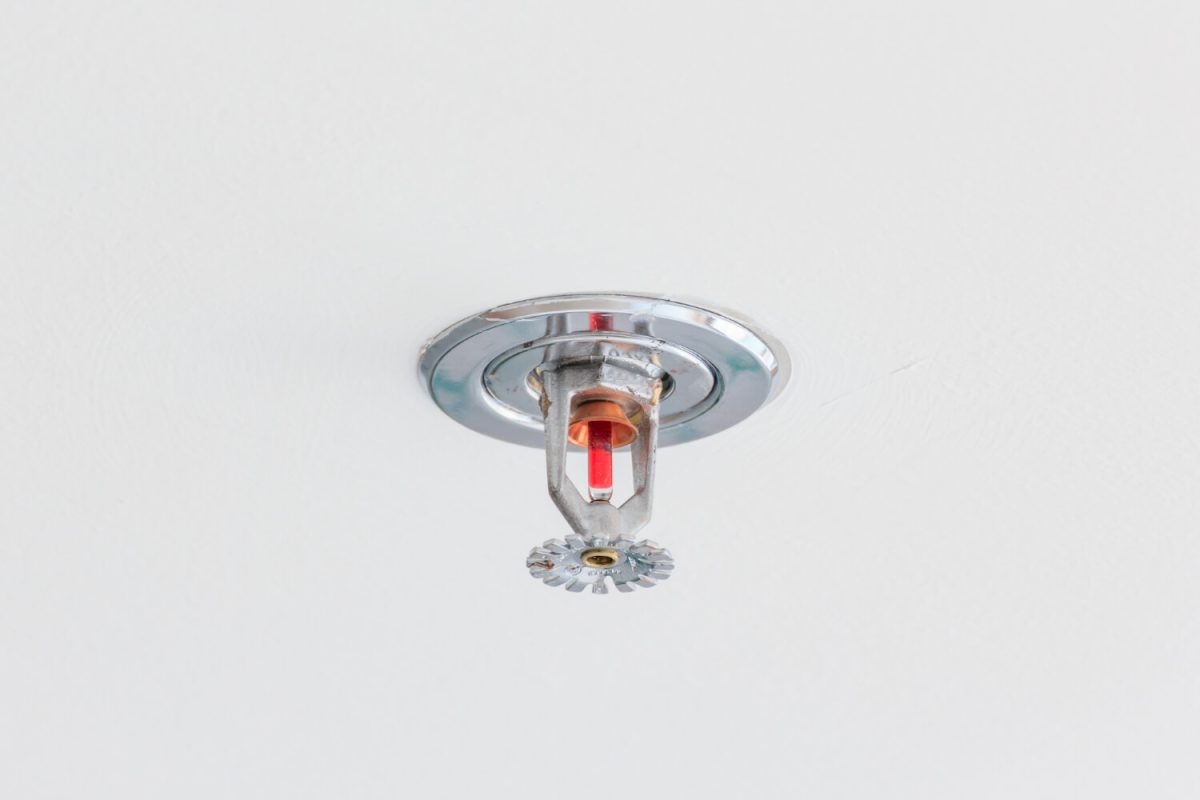
Fire Sprinkler System
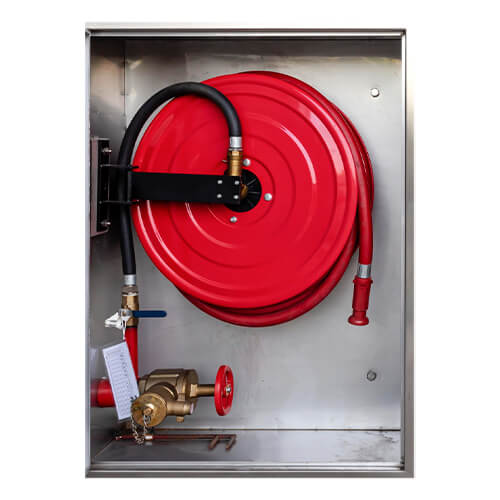
Hose Reel System
Fire Alarm System
Fire Suppression System
Our Fire Protection Products
We supply fire protection products and system components that support BOMBA fire safety requirements for your property.
Fire extinguishers help control small fires before they spread. Based on the building use and fire risk, suitable types such as water, foam, CO₂, dry powder, or wet chemical are selected.
Fire Extinguisher
Break glass units are manual fire alarm activation points that allow building users to trigger the alarm quickly when fire is noticed, supporting faster emergency response.
Break Glass
Fire alarm panels act as the control centre of the fire alarm system, receiving signals from detectors or break glass units to activate warning devices.
Fire Alarm Panel
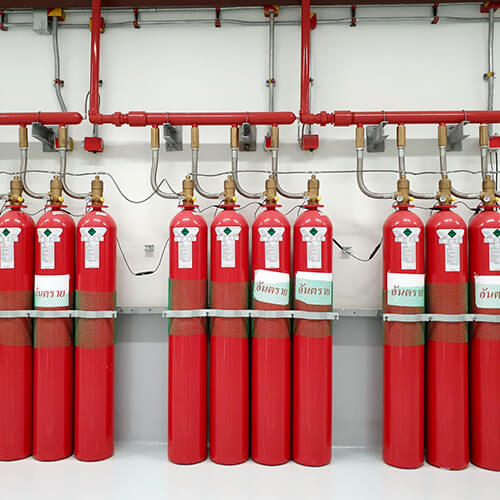
CO₂ gas cylinders store carbon dioxide for fire suppression in electrical rooms, server rooms, and equipment areas, helping suppress fires without water or residue.
CO₂ Gas Cylinders
Fire curtains are automatic barriers that descend during a fire to help contain flames and smoke, protect escape routes, and limit fire spread.
Fire Curtain
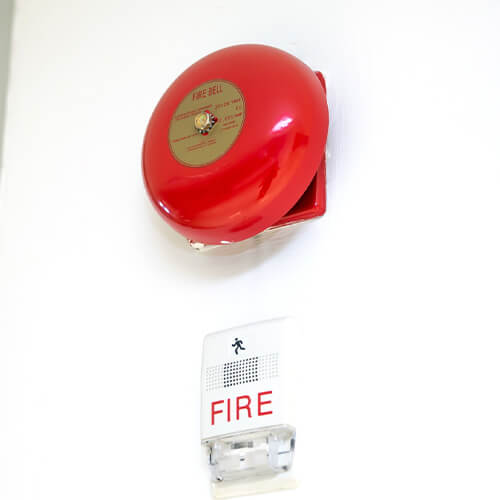
Fire alarm bells are audible warning devices connected to the fire alarm system, alerting occupants when a fire signal is activated.
Fire Alarm Bell
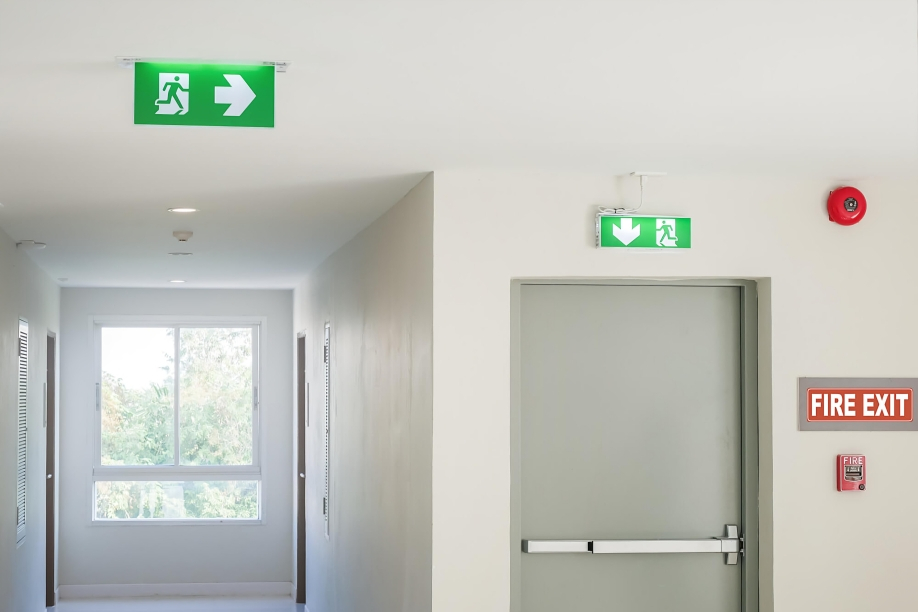
Fire rated doors resist fire and smoke for a specific period, helping protect escape routes, separate fire zones, and slow fire spread within buildings.
Fire Rated Door
Importance of a
Fire Protection System
- Enables swift and safe evacuation
- Prevent injuries, save lives, protect property
- Compliance with local building codes
A professionally installed fire protection system plays an important role in protecting occupants, assets, and business operations during fire emergencies. By detecting fire early, supporting safe evacuation, and helping control fire spread, the system reduces potential damage and strengthens overall fire safety for the building.
Importance of a
Fire Protection System
- Enables swift and safe evacuation
- Prevent injuries, save lives, protect property
- Compliance with local building codes
A professionally installed fire protection system plays an important role in protecting occupants, assets, and business operations during fire emergencies. By detecting fire early, supporting safe evacuation, and helping control fire spread, the system reduces potential damage and strengthens overall fire safety for the building.
Our Fire Protection System Installation Process
Site Inspection
Design & Proposal
Supply & Installation
Testing & Commissioning
Post-Installation Support
Fire Protection System Inspection & Maintenance
Preventive Maintenance
Regular maintenance helps keep fire protection systems in good condition through scheduled inspections, servicing, and basic performance checks. The maintenance frequency may vary depending on the building type, system design, usage level, and service requirements.
System Testing & Fault Inspection
System testing and fault inspection help confirm that fire protection equipment functions properly when required. This includes checking alarms, detectors, pumps, valves, panels, and related components for faults, damage, abnormal signals, or performance issues.
Service Reports & Compliance Records
Service reports and compliance records document inspection, testing, maintenance, repair work, system condition, and outstanding issues. These records support compliance, improve traceability, and help building owners or facility managers plan corrective actions when needed.
FAQ
Certain premises in Malaysia may require a Fire Certificate (FC), also known as Perakuan Bomba, if they are classified as designated premises under BOMBA requirements. Whether your building needs a Fire Certificate depends on factors such as:
- Building category
- Total floor area
- Building volume
- Fire risk level
- Installed fire protection systems
Learn more about when a Fire Certificate (FC) is required and how the application process works.
Fire protection systems in Malaysia should be inspected and maintained regularly by qualified professionals to ensure they remain functional and compliance-ready. For most commercial buildings, servicing is commonly carried out at least once a year, especially when BOMBA Fire Certificate renewal is required. However, the actual schedule may vary depending on building type, usage, fire risk level, and installed fire safety systems.
You can identify the suitable fire protection system through a professional site inspection and fire safety assessment. The recommendation will depend on your building type, size, usage, occupancy level, fire risk, and local requirements. Based on the assessment, suitable systems such as fire alarms, sprinklers, hose reels, fire extinguishers, or suppression systems can be proposed.