
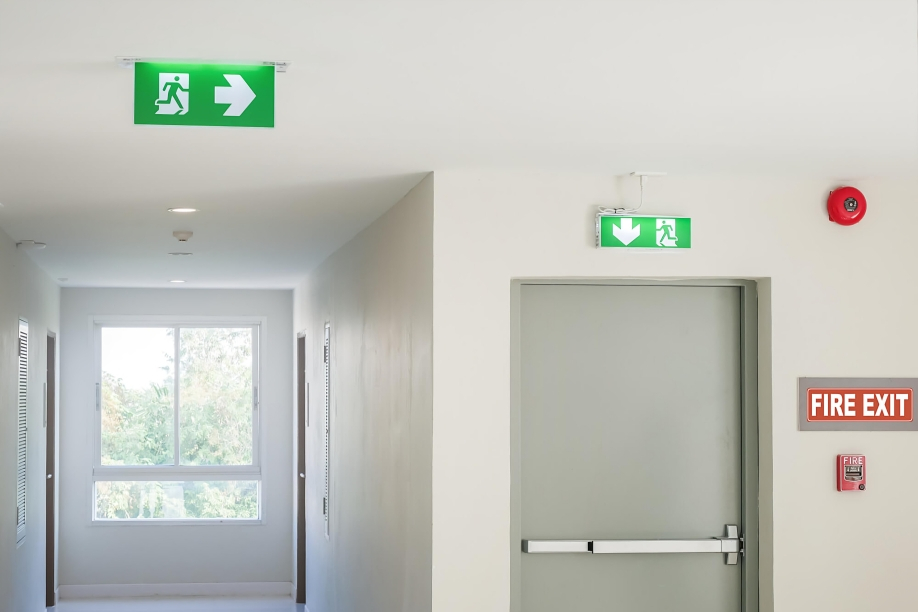



Fire Protection System
Fire Hydrant System
Providing Dependable Fire Hydrant Systems in Malaysia
Fire hydrant systems are crucial since they provide water for firefighters to put out fires. Without these systems in buildings, firefighters may be unable to put out fires in time, resulting in property damage and human casualties.
At Palcon, we pride ourselves on being a trusted fire expert you can rely on for smooth end-to-end fire hydrant design and installation. We strive to ensure your systems comply with fire safety regulations so that you have peace of mind knowing your property and occupants are always protected.
What are Fire Hydrant Systems in Malaysia?
A fire hydrant system is a water supply with sufficient pressure and flow delivered through pipes within a building to strategically located networks of valves for firefighting purposes.
Types of Fire Hydrant Systems
Dry Barrel
Holds a constant water supply
Wet Barrel
Requires a valve release to let water in for use
Learn more about the two types of fire hydrant systems to better understand their differences and how they can help firefighters to extinguish fires with a steady supply of water.
Components of a Fire Hydrant System
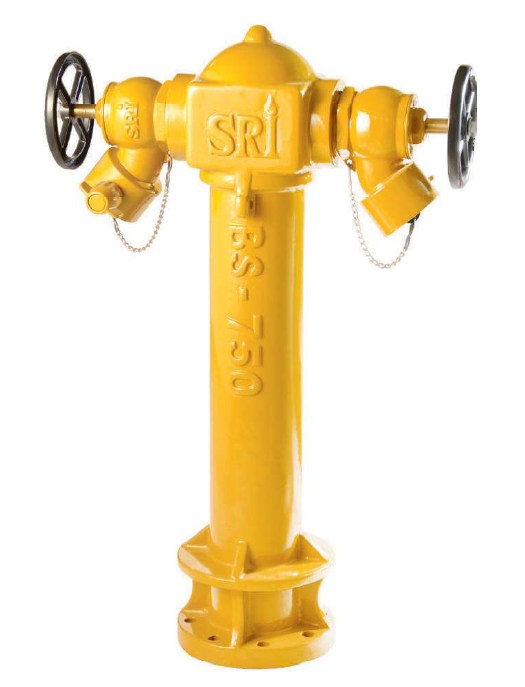
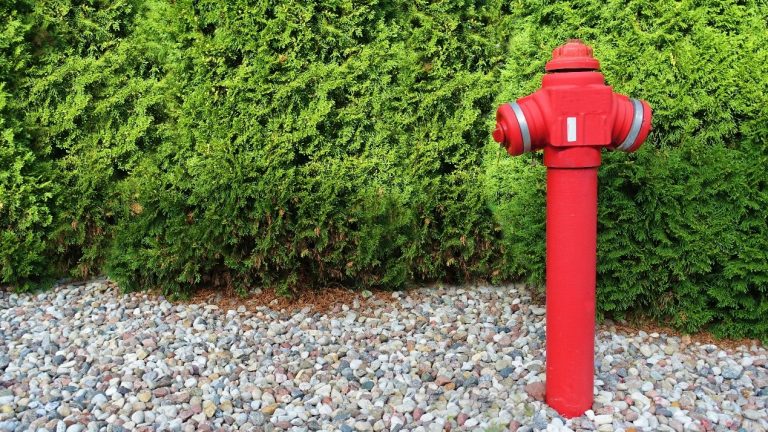
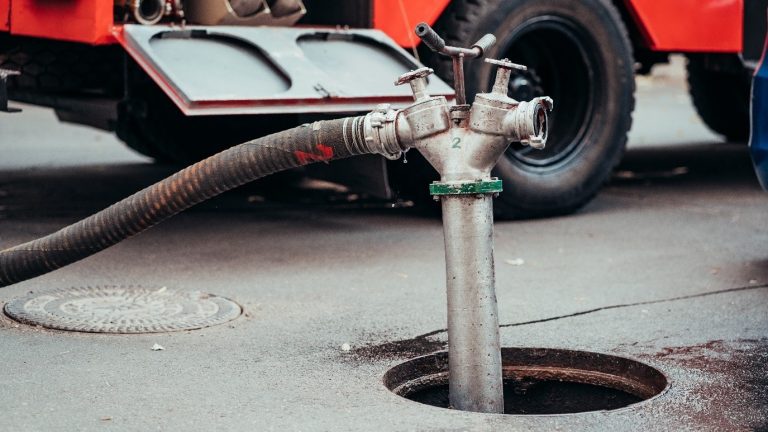
Two-Way Fire Hydrant
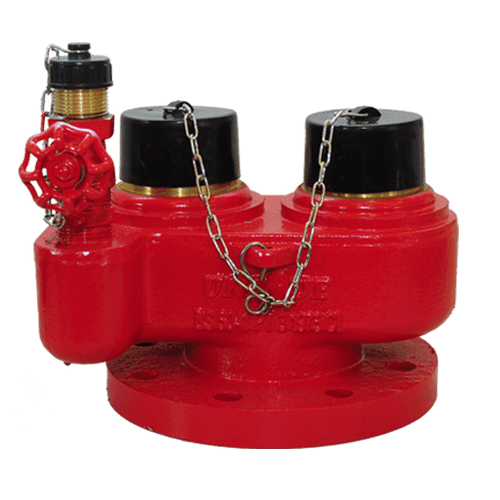
Two-Way Breeching Inlet
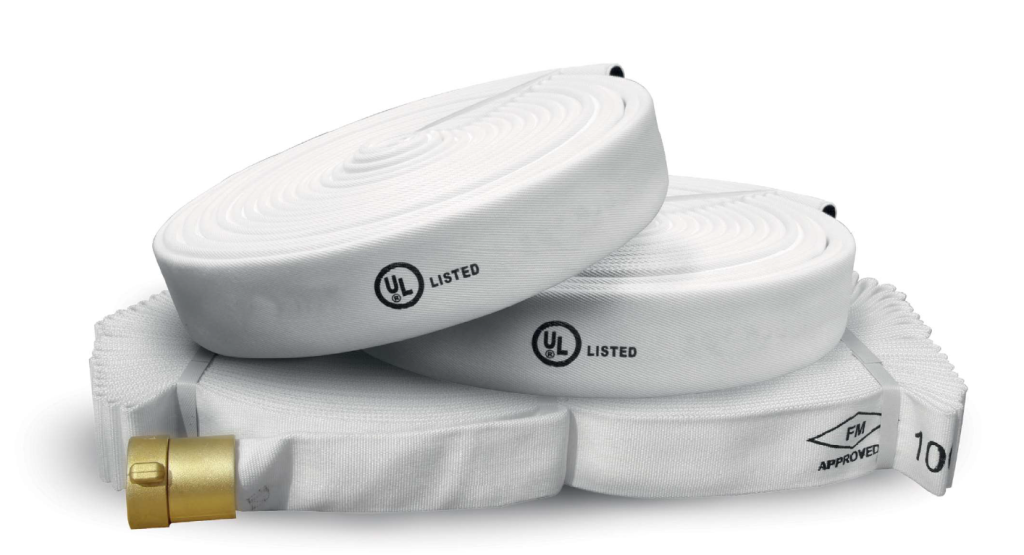
Hydrant Canvas Hose
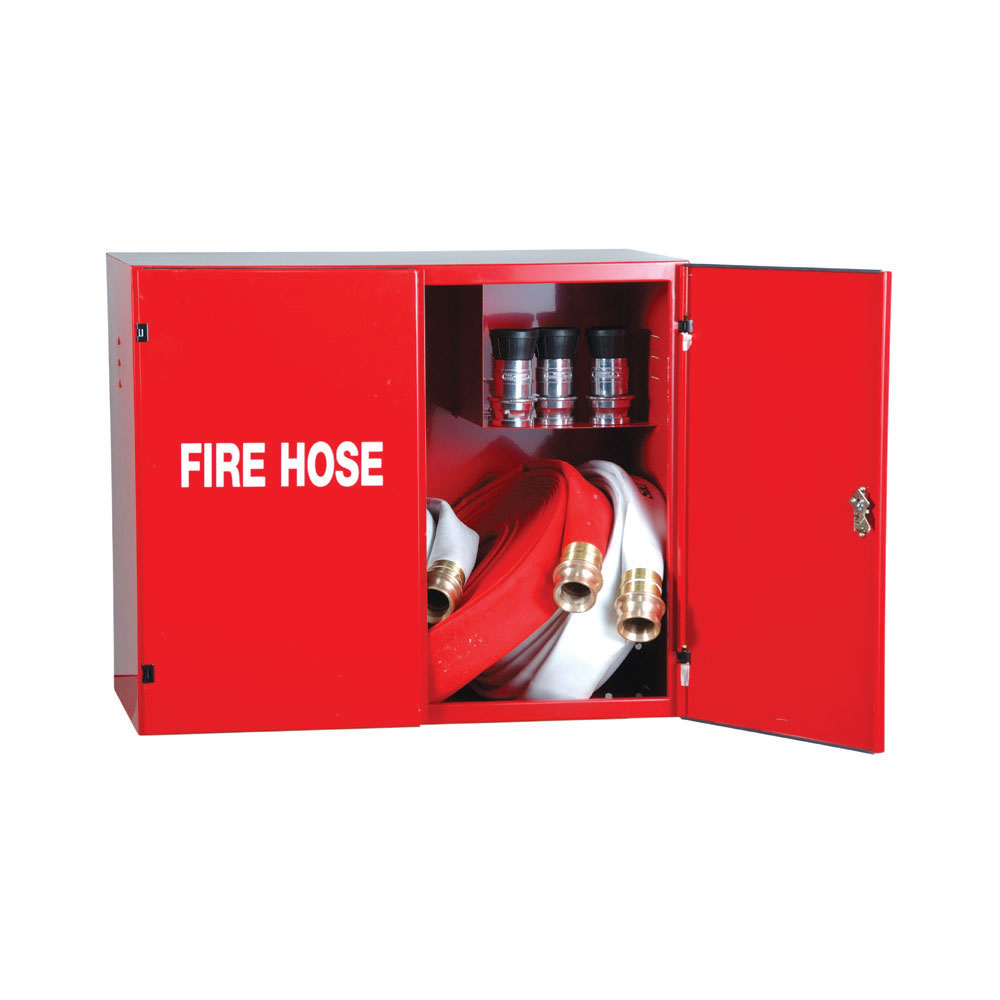
Fire Hose Cabinet
Importance of a Fire Hydrant System
- Essential component system for firefighting processes
- Provides steady flow of water when needed
- Serves as a contingency if fire engines are not sufficient
The fire hydrant system serves to give the best possible water source to each corner of a building. It helps in protecting the property by simply maintaining control of fire during an emergency. Similar to other firefighting systems, the fire hydrant has great extinguishing functionality and is essential to have prepared.
Fire Hydrant System Installation
Palcon’s experienced fire safety engineers will carefully assess your building’s fire safety requirements and develop a customised fire hydrant system that is both sufficient and efficient. Our fire hydrant installation process includes the following:
- Conducting a risk assessment of the building
- Planning the system’s design and strategic placement
- Fire hydrant system installation
- Ongoing maintenance and testing
Well-Designed Fire Hydrant System for Your Building
Our fire hydrant system is one of the most effective firefighting solution, supplying a steady water flow with sufficient pressure to suppress fires. From development to delivery, our experienced fire technicians ensure that your fire hydrant system serves as the most corrective solution for fire to provide the highest fire safety standards.
FAQ
According to the MS 1395 Standards, every building should have fire hydrants located not more than 30 metres away from an entrance to the building. Moreover, the hydrants should not be placed more than 90 metres apart.
In Malaysia, yellow hydrants are metred private hydrants, whereas red hydrants are non-metred public hydrants that use a public water supply system. However, in other countries, a fire hydrant’s colour might indicate different flow rates.
A fire hose reel system provides ease of use with smaller pressure. It is reasonably accessible and available in workplaces. On the other hand, fire hydrant systems have relatively higher pressure and require trained personnel or the fire brigade to operate.
Blog
We Are Here to Help
Get in touch with our experts to know more about our range of fire protection services and solutions.