
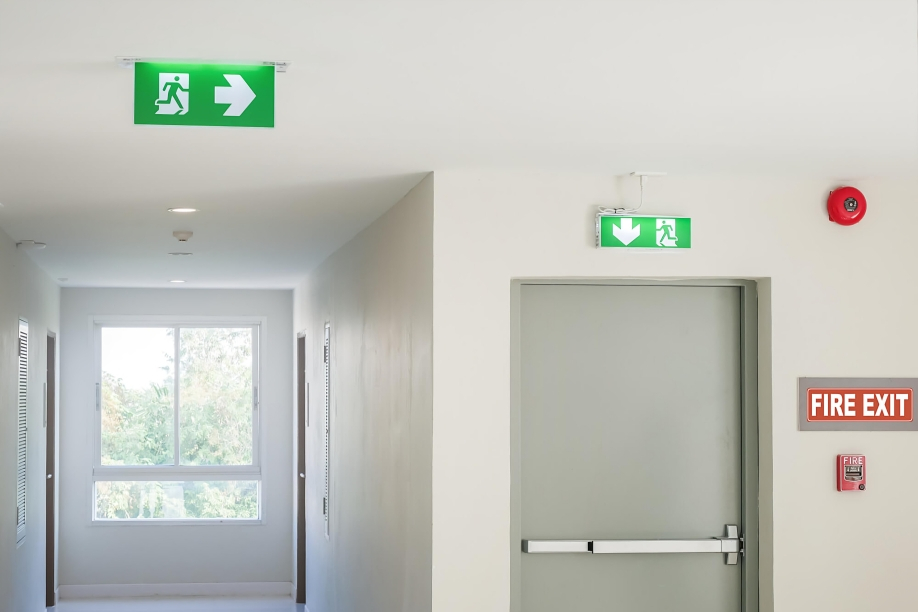



Fire Protection System
Fire Detection System
Your Trusted Fire Detection System Provider in Malaysia
With a full range of fire detection systems in Malaysia, Palcon offers solutions suitable for all types of business premises and buildings. We supply tailor-made solutions to your specific needs, ensuring peace of mind and confidence in your safety and protection.
Providing a Reliable Fire Detection System in Malaysia
At Palcon, we pride ourselves on being a trusted provider of fire detection systems in Kuala Lumpur and Selangor, Malaysia. Whether it is an entire system design and planning or installation, our experienced team members deliver outstanding service and reliable products to guarantee peak functionality and durability.
What is a Fire Detection System?
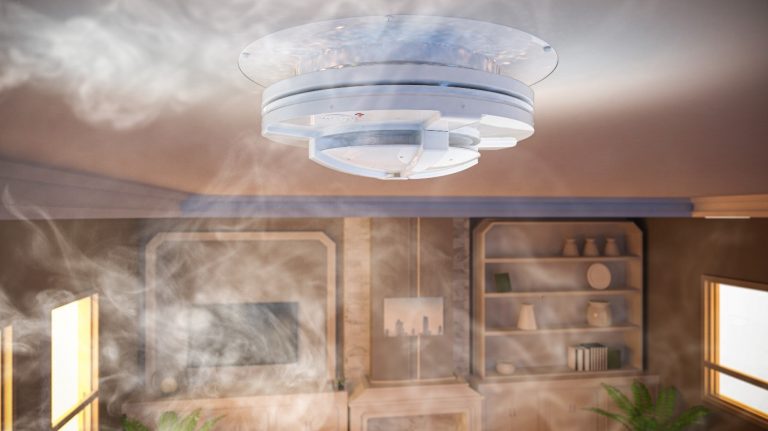
A fire detection system is designed to discover fires early in their development, allowing a higher chance for the safe evacuation of occupants. Prompt, early detection is a crucial factor in alerting emergency response personnel. Property loss can be reduced or avoided entirely through early detection, as control efforts can begin while the fire is still small.
Type of Fire Detection Systems
- Heat
- Optical
- Photoelectric
- Ionisation
Heat detectors can sense the convected thermal energy from the flame, causing the increase in temperature of the heat-sensitive element in the heat detector. Once this occurs, the feature triggers an alarm which then sounds, alerting anyone within earshot of the device.
Optical detectors work using the light scatter principle. The alarm contains a pulsed infrared LED which pulses a beam of light into the sensor chamber every 10 seconds to check for smoke particles.
Photoelectric detectors are effective at detecting larger particles of smoke from slow-burning, ‘smouldering’ fires. They are highly reliable, produce few false alarms and effectively detect larger particles of smoke produced by slow-burning fires than an ionisation smoke detector.
Ionisation detectors are excellent at detecting fast-burning fires. They are susceptible to small particles of smoke produced by fast flaming fires, such as paper and wood, and will detect this type of fire before the smoke gets too thick.
Our Fire Detection System Products
Heat Detector
Heat Detector
Heat detectors detect thermal energy from flames, increasing the heat-sensitive element's temperature in the process. This triggers an alarm, alerting nearby individuals.
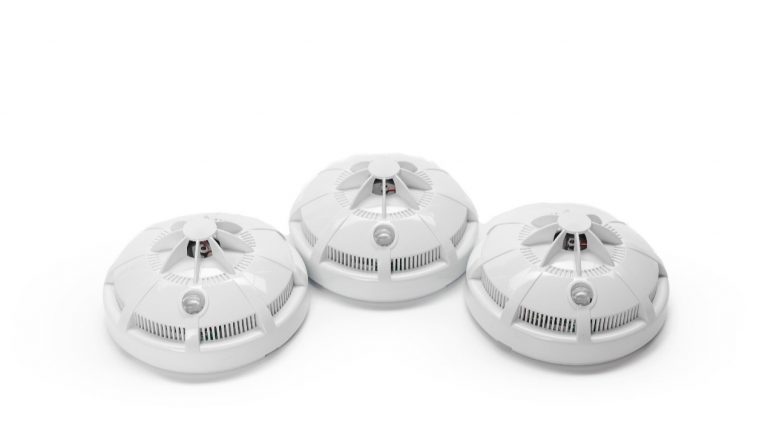
Stand-Alone Smoke Detector
Stand-Alone Smoke Detector
Stand-alone smoke detectors function independently, offering early warnings without reliance on a central monitoring service or larger fire alarm system.
Reflect Beam Detector
Reflect Beam Detector
Reflect beam detectors have a transmitter and receiver on opposite sides of an area. The transmitter emits a beam, reflected by a prism, to the receiver. Beam strength is analysed for smoke detection.
Aspirating Smoke Detector
Aspirating Smoke Detector
These detectors can sense smoke before it becomes visible to humans by drawing air from a network of pipes via a central detection device. Typically, aspirating smoke detectors use a fan unit to extract an air sample from the protected area through the pipe system.
Importance of Fire Detection System
- 24/7 Monitoring & Security
- Early Detection
- Prompt and quick
It is vital to purchase the correct fire detection system to address the specific risks in your workplace and ensure fire protection. Beyond the initial purchase, regular inspections and replacements in case of fault or ageing will ensure your business is as protected as possible in case of a small blaze breaking out.
Equip Your Building with Fire Detection System in Malaysia
Our advanced fire detection system serves as the first line of defence in safeguarding property, assets, and, most importantly, people. Integrated with a sophisticated alarm system, our fire detection system delivers maximum protection against fire injuries and damage by detecting and warning occupants of the presence of fire.
FAQ
Yes, they do. Fire detectors need to be changed every 10 years. However, the detectors’ lifespan will be shortened if they are placed in a particularly dusty and dirty area. Meanwhile, battery-powered fire detectors should have their batteries replaced once a year.
It is advised that you visually inspect and test your smoke detectors at least once a month. At Palcon, we suggest that you have them professionally checked yearly.
Many false alarms result from the wrong placement of smoke detectors, for example, near cooking appliances, humid areas, or wet chemicals. Dust build-ups or low battery conditions could also trigger false alarms. We recommend consulting fire safety professionals for help if your false alarm occurrence persists.
According to the National Fire Protection Association (NFPA), smoke detectors should be installed on every level of your building. In regard to a residential property, smoke detectors must be installed inside every bedroom and outside of each sleeping area, including the basement.
Ultimately, there is no such thing as having too many fire detectors on your property as long as they are properly placed. Engage a professional fire contractor to plan and install a fire detection system that caters to your fire safety needs.
We Are Here to Help
Get in touch with our experts to know more about our range of fire protection services and solutions.